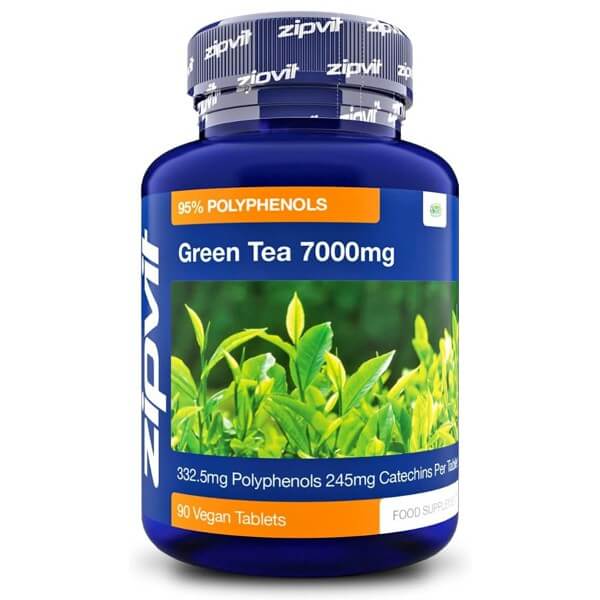
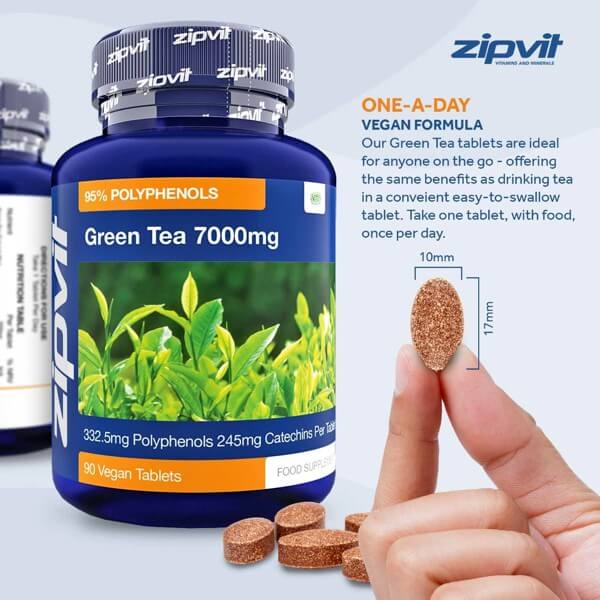
Green tea extract concentrates the antioxidant compounds (catechins, including EGCG) found in brewed green tea, with genuine research behind several of its studied effects. Below you’ll find our picks, along with an important distinction between brewed tea and concentrated supplements specifically — the form where a real, if uncommon, liver safety consideration applies.
Green Tea Extract: What Research Actually Shows
Green tea extract is a concentrated source of catechins, particularly EGCG (epigallocatechin gallate), the polyphenol thought to be behind many of green tea’s studied properties. It’s genuinely rich in antioxidant compounds, and some research has explored associations with cardiovascular markers like cholesterol, though it’s worth being measured about this — “supports cardiovascular health” oversimplifies a research picture that’s more about modest associations than a guaranteed effect on heart health specifically.
Weight management is one of the more heavily marketed claims for green tea extract, and it’s worth being accurate: research on green tea catechins and metabolism or fat loss shows modest, inconsistent effects across studies, not a reliable “metabolism boost.” The combination of caffeine and L-theanine in green tea is genuinely studied for a distinctive effect on alertness and focus — often described as calm, focused attention rather than the jittery stimulation associated with caffeine alone — this is one of green tea’s better-supported cognitive claims specifically.
The most important safety point for this category, more than for brewed tea itself: concentrated green tea extract supplements — as opposed to drinking brewed green tea — have been linked to rare cases of liver injury, reported through adverse event monitoring systems including the MHRA’s Yellow Card scheme. This appears uncommon but is genuine, and worth taking seriously: choose a sensibly dosed, reputable product, avoid taking it on an empty stomach, and stop use and see your GP if you notice unusual fatigue, yellowing skin or eyes, dark urine, or abdominal pain after starting it. This risk relates specifically to concentrated extract supplements, not to drinking normal amounts of brewed green tea, which has a much longer, more reassuring safety history.
Green tea extract also contains caffeine, so those sensitive to caffeine, pregnant, or breastfeeding should be mindful of total intake across all sources, and it can modestly reduce iron absorption, worth knowing if you’re managing iron deficiency or take iron supplements — spacing the two apart by a couple of hours helps. Morning or early afternoon use is generally preferable to evening, given the caffeine content, though matcha and decaffeinated extracts are available for those wanting the antioxidant content without the stimulant effect.