Artichoke leaf extract is studied mainly for cholesterol and liver-related markers, with real — if mixed — human trial evidence behind these specific uses. Below you’ll find our picks, along with a correction on a couple of details that get confused or overstated elsewhere, including which compound artichoke actually contains.
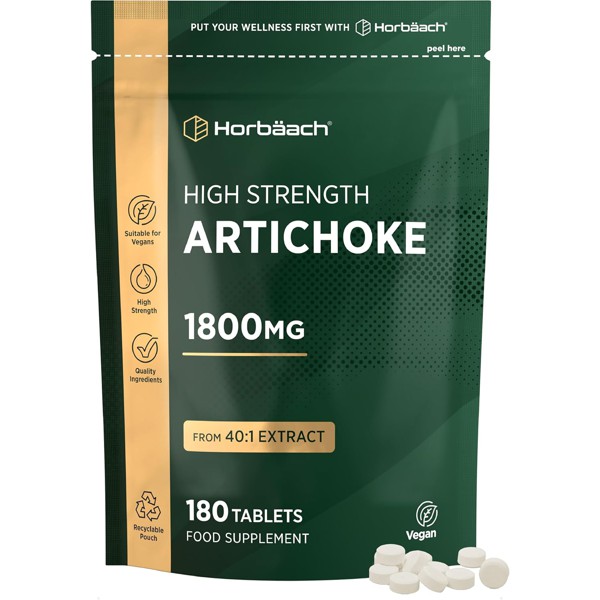
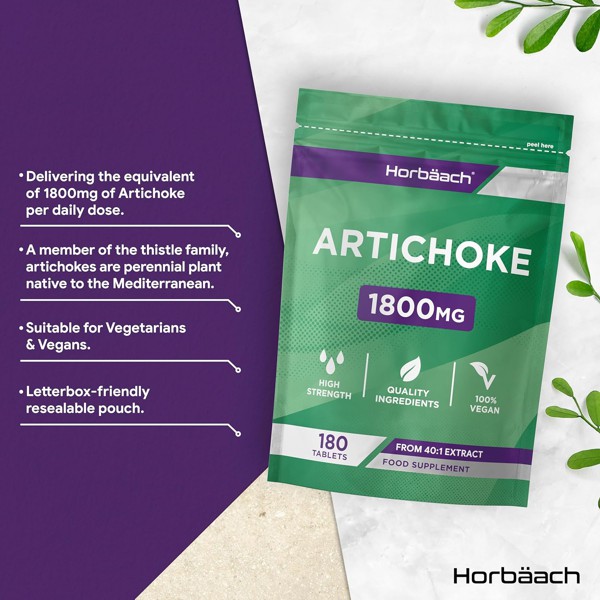
Herbal Supplements
Artichoke Extract: What Research Actually Shows
Artichoke (Cynara scolymus) leaf extract’s active compounds include cynarin and various caffeoylquinic acids — not silymarin, which is a different compound found in milk thistle and is sometimes confused with artichoke’s constituents. Artichoke is understood to stimulate bile production, which is the basis for its studied effects on both digestion and cholesterol.
The cholesterol research is genuinely real but mixed: a systematic review and meta-analysis found the overall evidence “equivocal,” while a Cochrane-reviewed randomised trial found a meaningful cholesterol-lowering effect specifically in people with baseline total cholesterol above 210mg/dl — in other words, artichoke’s cholesterol effect may depend on how high your starting levels are, rather than being a uniform benefit for everyone. Separately, a randomised trial in people with diagnosed non-alcoholic steatohepatitis (NASH) found improvements in liver enzymes and lipid markers over two months — genuine evidence, though specific to a diagnosed patient population studied under medical supervision, not a general “liver detox” effect for people with a healthy liver. The liver and kidneys handle elimination of waste products continuously on their own; artichoke doesn’t add a separate “detox” mechanism on top of that.
It’s worth being cautious about weight-loss and “visceral fat” claims specifically — direct human evidence for artichoke targeting belly fat specifically is genuinely limited, with most of the supporting data coming from animal studies rather than human trials. Artichoke is also studied for blood sugar in people with type 2 diabetes specifically, alongside general antioxidant and digestive-comfort properties.
Who should be cautious: people with gallstones or bile duct obstruction should consult their GP before use, since artichoke stimulates bile flow, and anyone with an allergy to daisy-family plants (including chrysanthemums and ragweed) may experience cross-reactions. Pregnant or breastfeeding women should check with a healthcare professional before starting. Mild digestive discomfort (gas, temporary bloating) is the most commonly reported effect when starting out, and typically settles as your body adjusts.
When choosing a product, look for one that states its cynarin content specifically, rather than vague “artichoke extract” without further detail.