Psyllium husk, from the seeds of Plantago ovata, is one of the better-evidenced fibre supplements available — with genuine research support for digestive regularity, cholesterol, and blood sugar management. Below you’ll find our picks, along with the practical safety points (fluid intake and medication timing) that matter more for psyllium than for most supplements on this site.
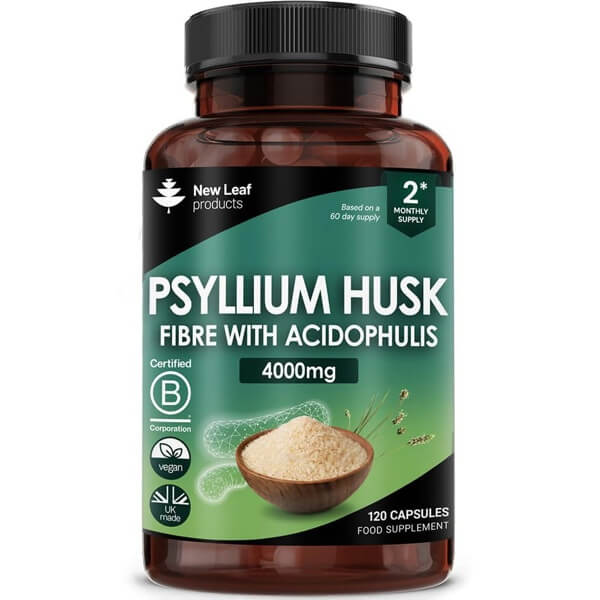

Digestive Health
Psyllium Husk: What Research Actually Shows
Psyllium husk is a soluble, viscous fibre that forms a gel when mixed with water, and it’s genuinely one of the better-researched fibre supplements available. It’s studied for promoting regular bowel movements through its bulking effect, and — more specifically than most claims on this site — has real research support for cholesterol: soluble fibre of this kind is understood to bind cholesterol-containing compounds in the gut, reducing their absorption, a mechanism with a reasonably solid evidence base. It’s also studied for blood sugar management, since the gel it forms slows carbohydrate absorption, and for supporting fullness between meals, which is why it’s sometimes used alongside broader efforts to manage portion sizes or appetite.
The most important practical point about psyllium, more than for most supplements here, is fluid intake. Always mix it thoroughly with a full glass of water or juice and drink it promptly, before it thickens, followed by another full glass of water. Taking psyllium without adequate fluid carries a genuine risk of throat or oesophageal blockage, particularly in tablet or capsule form — this is a real, documented safety concern, not just a taste preference. Starting with a smaller amount (around a teaspoon) and increasing gradually helps your digestive system adjust and reduces initial bloating or gas.
Equally important: psyllium can reduce the absorption of medications taken at the same time. Because it forms a gel in the gut, taking it alongside oral medication can reduce how much of that medication is actually absorbed — it’s generally recommended to take psyllium at least one to two hours apart from other medications, and this is worth discussing with your GP or pharmacist if you take regular prescriptions, rather than assuming timing doesn’t matter.
Allergic reactions to psyllium, while uncommon in the general population, are a genuine and sometimes serious risk — stop use and seek medical attention if you notice swelling, difficulty breathing, or a widespread rash after taking it. As with any fibre supplement, consistency matters more than a single large dose, and giving your body time to adjust over the first week or two makes the whole process considerably more comfortable.